A familiar debate is making its way back through the Alabama Legislature.
A proposed Senate bill would require public school systems across the state to display posters featuring the Ten Commandments in certain classrooms and common areas, reigniting questions about where the line falls between historical education and religious expression in government-funded institutions.
The bill, sponsored by Senator Keith Kelley, R-Anniston, is not the first attempt to bring such a measure to Alabama's public schools.
But with growing momentum behind similar efforts in other states, this session's version is drawing renewed attention from educators, parents, and legal observers alike.
What the Bill Proposes
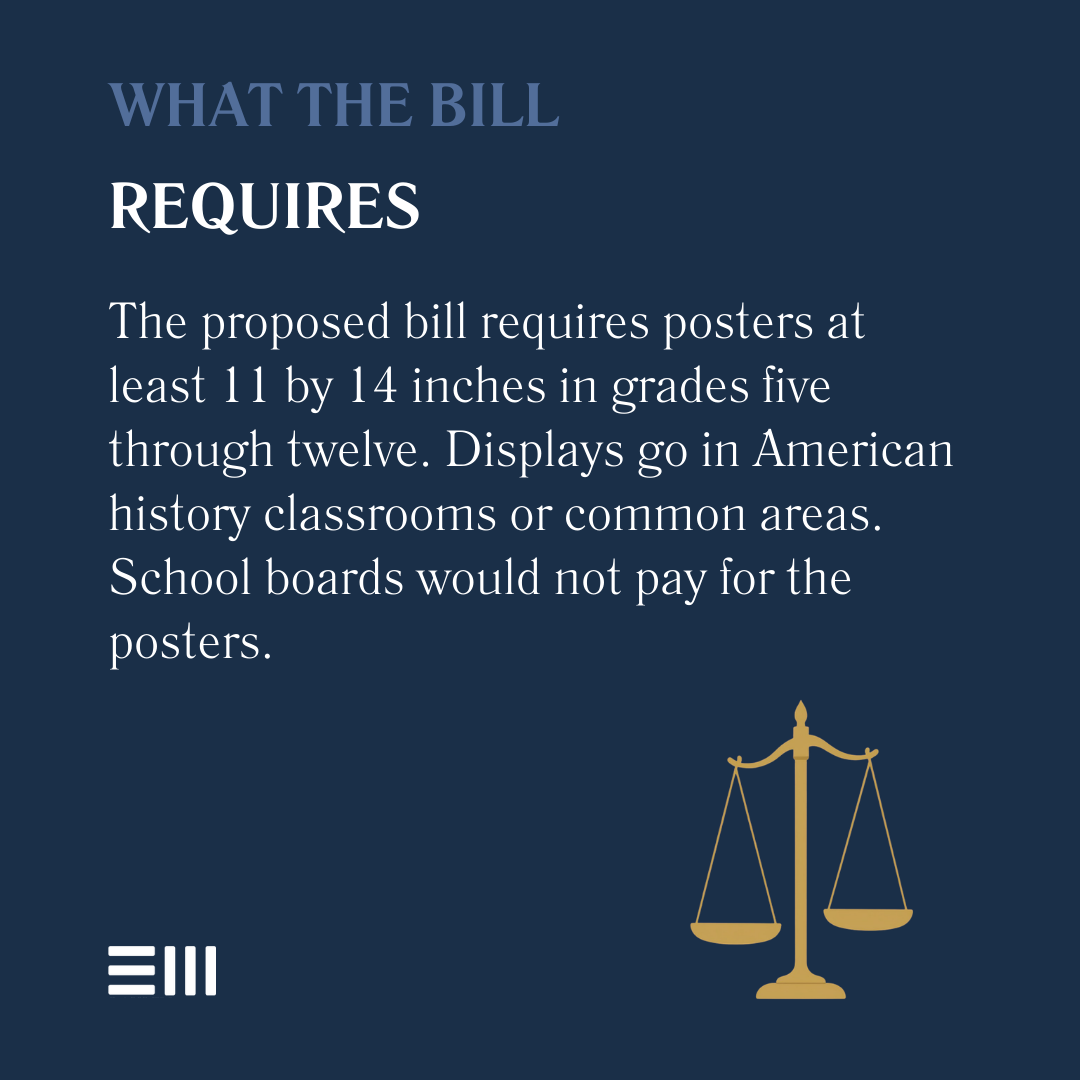
If passed, the legislation would require Alabama public schools to hang posters measuring at least 11 inches by 14 inches displaying the Ten Commandments.
The displays would be placed in classrooms serving grades five through twelve where American history is taught, or in shared spaces such as cafeterias and libraries.
Notably, the bill specifies that local school boards would not be financially responsible for purchasing the posters.
The displays would also include quotations from several foundational American documents alongside the commandments, including excerpts from the Mayflower Compact, the Declaration of Independence, and the U.S. Constitution.
The poster itself includes language stating that decisions about matters of faith remain with students and their families.
According to the bill's text, the display's purpose is to acknowledge the historical influence of the Ten Commandments and the broader Judeo-Christian tradition on the development of American law and civil society.
The Sponsor's Argument
Senator Kelley presented the bill before the Alabama Senate Education Policy Committee in February 2026, where he argued that the display is rooted in history rather than religion.
"It's not a religious document," Kelley told the committee. "It's the historical founding documents that kind of builds on how our culture, our law, and how our nation was formed, from a historical standpoint."
Kelley added that drafters of the legislation took what he described as "great care" to avoid running afoul of the U.S. Constitution's Establishment Clause, which prohibits the government from endorsing or establishing a particular religion.
The bill itself includes a passage asserting that many Alabama teachers are unlikely to expose students to what the legislation calls "historical truths" about the role of the Judeo-Christian tradition in American governance if given discretion over whether or how to present the material.
That language appears aimed at preempting potential resistance from individual educators or school districts.
A Previous Attempt Fell Short
This is not the first time Alabama lawmakers have pursued this type of legislation.
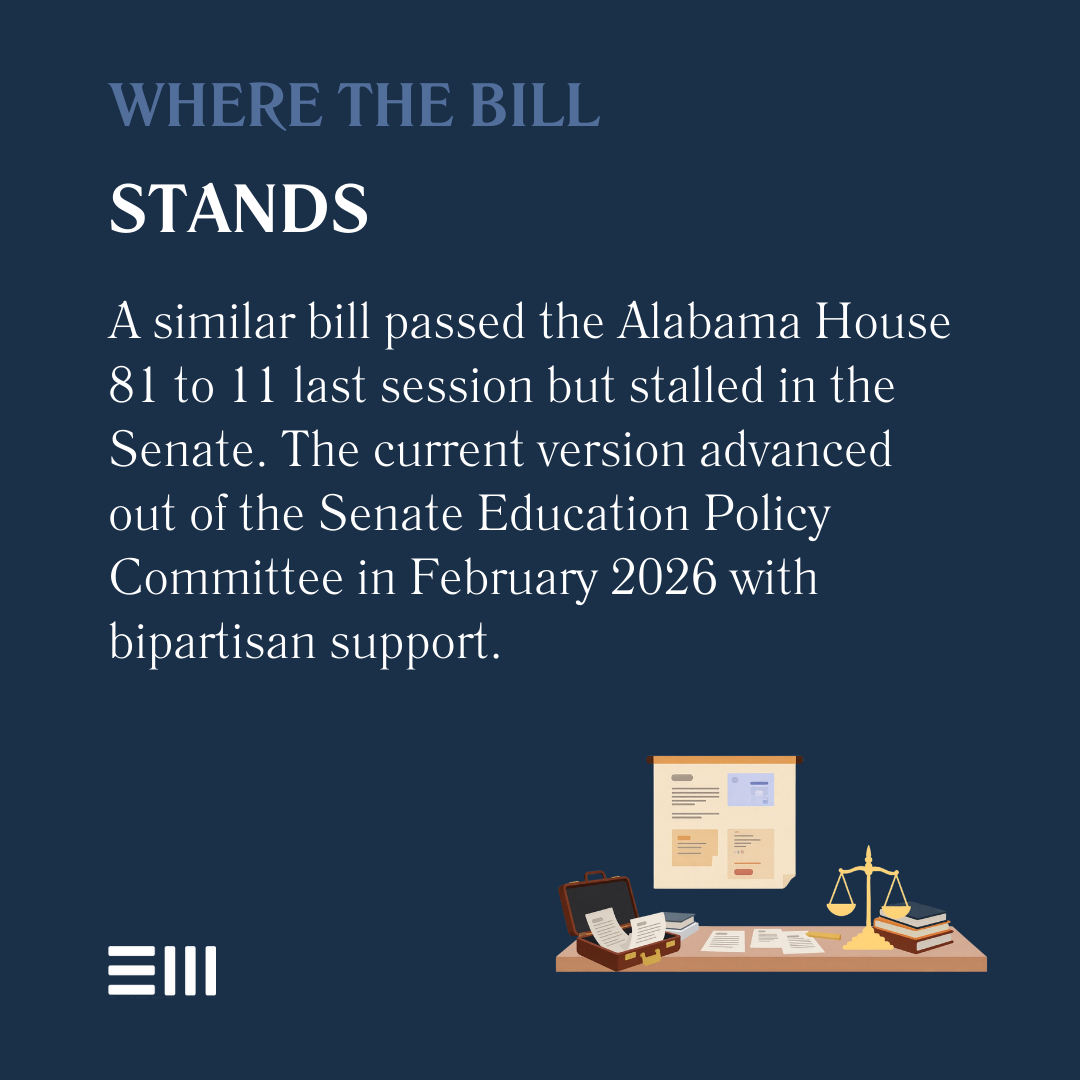
During the previous legislative session, a similar bill sponsored by Representative Mark Gidley passed the Alabama House of Representatives by a wide margin of 81 to 11. Every opposing vote came from Democratic members, though nine Democrats also voted in favor of the measure.
Despite that strong showing in the House, the bill stalled in the Senate. It did not receive approval from the relevant Senate committee, effectively ending its path for that session.
The current version appears to be gaining traction where its predecessor did not. The Senate Education Policy Committee voted to advance the bill, with Senator Rodger Smitherman, D-Birmingham, voicing his support.
"We need to get our young people focused on the realities of what's happening for real in life," Smitherman said during the committee session.
Smitherman also suggested he would like to see the bill go further by incorporating school prayer, though he indicated he would not pursue a formal amendment out of concern that doing so could slow the bill's progress.
The Legal Landscape
Any legislation requiring the display of the Ten Commandments in public schools operates against a complicated constitutional backdrop.
The U.S. Supreme Court has addressed the issue multiple times over the decades, with rulings that have drawn distinctions between displays intended to promote religion and those framed as part of a broader historical or educational context.
The most directly relevant precedent is the Court's 1980 decision in Stone v. Graham, which struck down a Kentucky law requiring the posting of the Ten Commandments in public school classrooms.
The Court held that the law lacked a secular legislative purpose and therefore violated the Establishment Clause.
More recently, however, the legal environment has shifted. Louisiana passed a law in 2024 requiring Ten Commandments displays in public school classrooms, becoming the first state to do so since the Stone v. Graham ruling.
That law immediately faced legal challenges, and its outcome could influence how courts evaluate similar measures in Alabama and elsewhere.
Supporters of the Alabama bill maintain that the inclusion of additional historical documents and the explicit disclaimer about personal faith decisions distinguish this proposal from past efforts that courts have found unconstitutional.
Opponents argue that no amount of accompanying material changes the fundamental nature of requiring a religious text in a public school setting.
What This Means for Alabama Families
For parents with children in Alabama public schools, this bill raises practical questions about what students will encounter in their classrooms and how schools will handle the implementation if the measure becomes law.
Families on both sides of the debate have strong feelings about the role of religious and historical content in public education.
Regardless of where one stands on the issue, the proposal underscores a broader reality: decisions made at the state legislative level have a direct impact on the daily experiences of Alabama students and their families.
Staying informed about these developments is an important part of advocating for your family's values and your children's educational environment.
When family matters intersect with legal questions — whether related to education, custody, or other issues affecting your children — having knowledgeable legal guidance can make a meaningful difference.
Our experienced family law attorneys here at Baxley Maniscalco are committed to helping Alabama families navigate the legal challenges that matter most.
Your Family Deserves Strong Representation
From child custody disputes to questions about parental rights, our team is here to provide the aggressive, compassionate advocacy your family needs.
Contact Baxley Maniscalco today to schedule a consultation and discuss how we can help.