
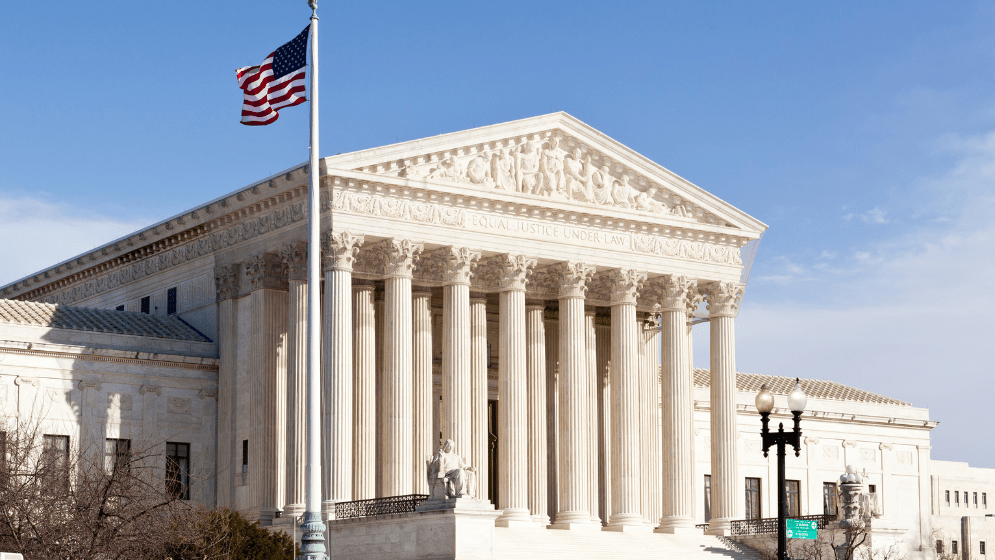
After three years of legal roadblocks, Alabamians who faced severe delays and errors in the state’s unemployment system during the COVID-19 pandemic can finally have their day in court.
The Alabama Supreme Court ruled on Friday, September 12, 2025, that these citizens can proceed with their lawsuit against the Alabama Department of Labor, following intervention from the U.S. Supreme Court.
The Human Cost of System Failures
The case began in 2022 when a group of Alabama citizens, assisted by Legal Services Alabama (a nonprofit serving low-income residents), filed suit over the unemployment system’s failures during the pandemic.
Their complaint painted a stark picture: “Plaintiffs have experienced extreme delays at every step of the unemployment process.”
One particularly heartbreaking case involved a man who was denied unemployment benefits while hospitalized on a ventilator with COVID-19.
After recovering from his near-death experience, he discovered he had lost both his home and his vehicle due to the lack of income support during his illness.
The State’s Defense: “Just Appeal”
The Alabama Department of Labor attempted to dismiss the case, arguing that citizens should simply appeal their unemployment decisions rather than file lawsuits.
In their motion to dismiss, the department stated: “Plaintiffs’ assertions that any determinations that they received overpayments incorrectly applied (under) the law are a matter for them to take up by appealing those determinations — not by bringing this collateral suit to skip the line.”
Both the lower court and the Alabama Supreme Court initially sided with the state, effectively blocking the citizens’ attempts to challenge the systemic delays.
The Impossible Contradiction
This created what the U.S. Supreme Court would later identify as a fundamental legal problem.
Citizens were told they must complete the appeals process before suing—but they were trying to sue precisely because the appeals process itself was broken and severely delayed.
The numbers tell the story:
- In 2022: 127-day average wait for unemployment appeals in Alabama.
- By 2025: Wait times improved but still averaged 65 days.
According to federal data analyzed by the Century Foundation, these delays left thousands of Alabama families in financial limbo during the worst economic crisis in decades.
U.S. Supreme Court Steps In
Earlier this year, the nation’s highest court delivered a clear message to Alabama: citizens have a constitutional right to challenge government delays. The February ruling stated:
“That ruling created a catch-22. Because the claimants cannot sue until they complete the administrative process, they can never sue…”
This federal intervention forced Alabama’s courts to reconsider their position.
What Happens Next
With Friday’s Alabama Supreme Court ruling, the lawsuit will now proceed in circuit court. This means:
- Citizens can finally present evidence of the unemployment system’s failures.
- The court will examine whether the delays violated constitutional rights.
- Potential remedies could include system reforms and compensation.
The circuit court proceedings will likely shed light on the full extent of the unemployment system’s failures during the pandemic.
Whatever the outcome, this case ensures that the voices of affected Alabamians will finally be heard in a court of law.
The Broader Impact
This case represents more than just one lawsuit—it establishes important precedent for government accountability in Alabama.
When state agencies fail to serve citizens in a timely manner, those citizens now have a clearer path to seek justice through the courts.
The ruling may influence how Alabama handles:
- Benefits processing timelines.
- Administrative appeals procedures.
- Agency accountability measures.
- Future emergency response systems.
This precedent sends a powerful message to all state agencies: constitutional rights don’t disappear during a crisis.
Future generations of Alabamians may benefit from the courage of those who fought for accountability when the system failed them most.
Lessons from the Pandemic
The COVID-19 pandemic exposed critical weaknesses in Alabama’s unemployment system. While many states struggled with unprecedented claim volumes, Alabama’s performance ranked among the worst nationally.
This lawsuit may finally force the systemic changes needed to prevent similar failures in future crises.
Moving Forward
As this case proceeds to circuit court, it will be closely watched by:
- Thousands of Alabamians still dealing with unemployment issues.
- Legal advocates for government accountability.
- State agencies concerned about similar challenges.
- Policymakers considering system reforms.
The Alabama Department of Labor has not yet responded publicly to Friday’s ruling. Legal Services Alabama, which has championed this case for three years, continues to represent the affected citizens as they seek justice.
Were you affected by unemployment delays during the pandemic? The legal landscape has changed, and you may have options you didn’t have before.
Can't find what you're looking for? Search our site below.