
Behind every settlement agreement lies a carefully orchestrated negotiation where skilled attorneys transform legal disputes into resolved cases without the uncertainty of trial.
Most civil cases never see a courtroom—they end in negotiated settlements where lawyers leverage evidence, timing, and psychology to secure the best possible outcomes for their clients.
Understanding this intricate process reveals why experienced legal representation often makes the difference between accepting inadequate offers and achieving fair compensation.
The Pre-Negotiation Foundation
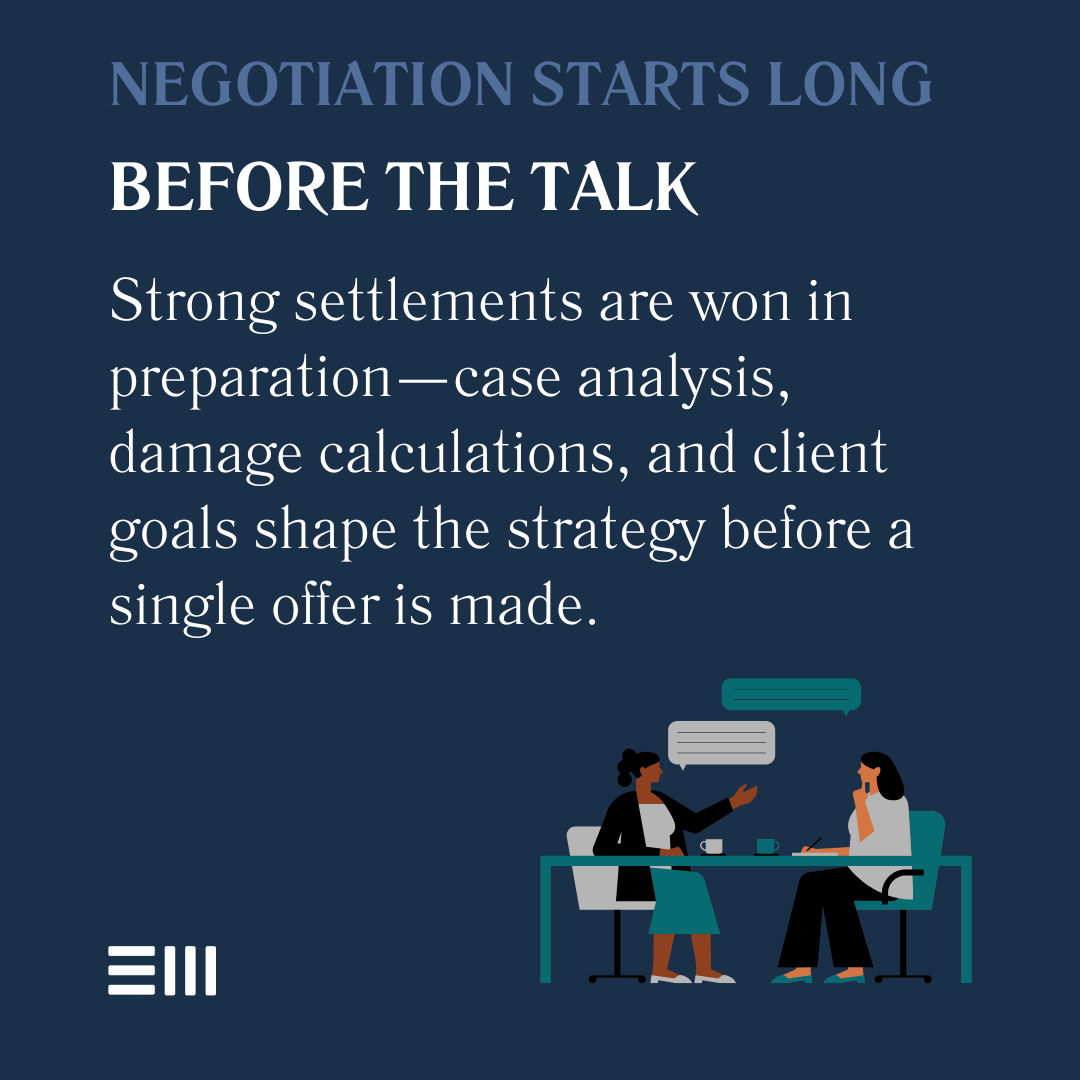
Successful settlement negotiations begin long before lawyers sit at the negotiating table, with thorough preparation forming the cornerstone of effective advocacy. This groundwork phase determines negotiating position strength and shapes the entire settlement trajectory.
Essential preparation elements include:
- Case evaluation: Analyzing strengths, weaknesses, and potential trial outcomes
- Evidence gathering: Collecting documents, witness statements, and expert opinions
- Damage calculations: Determining economic and non-economic losses with supporting documentation
- Legal research: Identifying relevant precedents and statutory frameworks
- Client consultation: Understanding goals, priorities, and acceptable outcomes
- Opposition assessment: Evaluating opposing party's position and motivations
Lawyers who invest time in comprehensive preparation enter negotiations with clear strategies and realistic expectations. This foundation allows them to present compelling arguments, counter opposing positions effectively, and recognize when offers align with case values. Preparation transforms negotiations from reactive discussions into strategic campaigns.
Strategic Communication Techniques
Effective settlement negotiation requires mastering communication methods that persuade while maintaining professional relationships. Lawyers employ specific techniques to convey information, build credibility, and influence opposing parties toward favorable resolutions.
Key communication strategies include:
- Active listening: Understanding opposing positions to identify common ground
- Framing: Presenting facts and arguments in ways that support client positions
- Anchoring: Setting initial positions that influence subsequent discussions
- Storytelling: Creating compelling narratives that humanize clients and damages
- Strategic silence: Using pauses to encourage concessions or information sharing
- Emotional regulation: Maintaining composure while advocating passionately
These techniques work together to create productive negotiation environments where parties move beyond rigid positions toward mutually acceptable solutions. Skilled negotiators adapt their communication style to match situations, sometimes taking aggressive stances when warranted while other times building rapport to facilitate agreement.
Timing and Leverage Points
Knowing when to negotiate and recognizing leverage opportunities often determines settlement success more than case merits alone. Experienced lawyers understand that timing negotiations strategically can dramatically impact outcomes.
Critical timing considerations include:
- Discovery milestones: Negotiating after revealing strong evidence but before expensive depositions
- Motion outcomes: Leveraging favorable court rulings to strengthen positions
- Trial dates: Using approaching trial dates to motivate serious negotiations
- Financial pressures: Recognizing when parties face monetary constraints
- Emotional readiness: Identifying when clients and opponents are psychologically prepared to settle
- Market conditions: Understanding how external factors affect case values
Lawyers also create and exploit leverage through various means, such as demonstrating trial readiness, highlighting opponent weaknesses, or presenting new evidence that shifts case dynamics. The ability to recognize and maximize these moments separates exceptional negotiators from those who merely exchange offers.
The Negotiation Process
Settlement negotiations follow recognizable patterns, though skilled lawyers adapt processes to fit specific case needs. Understanding these phases helps clients know what to expect and why certain strategic decisions occur at different stages.
Typical negotiation phases include:
- Opening positions: Initial demands and offers that establish negotiation ranges
- Information exchange: Sharing evidence and arguments supporting positions
- Concession patterns: Strategic movement toward middle ground
- Impasse management: Overcoming deadlocks through creative solutions
- Final push: Closing gaps between near-agreement positions
- Documentation: Formalizing agreements with precise written terms
Throughout this process, lawyers balance advocacy with realism, pushing for optimal outcomes while recognizing when continued negotiation becomes counterproductive. They manage client expectations, provide reality checks when necessary, and ensure clients make informed decisions about accepting or rejecting offers.
Alternative Dispute Resolution Methods
When direct negotiations stall, lawyers often employ alternative dispute resolution (ADR) methods to facilitate settlements. These structured processes provide frameworks for breaking impasses and reaching agreements outside traditional litigation.
Common ADR approaches include:
- Mediation: Neutral third parties facilitate discussions and suggest compromises
- Arbitration: Binding decisions from neutral arbitrators replace trial verdicts
- Settlement conferences: Judges provide informal case evaluations and settlement guidance
- Collaborative law: Parties commit to resolution without litigation threats
- Mini-trials: Abbreviated case presentations help parties assess trial risks
- Neutral evaluation: Expert opinions on likely trial outcomes inform negotiations
Each method offers unique advantages depending on case types and party dynamics. Lawyers select appropriate ADR processes based on factors like cost, time constraints, relationship preservation needs, and likelihood of success. These alternatives often succeed where traditional negotiations fail by introducing fresh perspectives and structured frameworks.
Frequently Asked Questions About Settlement Negotiations
Understanding how lawyers negotiate settlements raises important questions for those considering legal representation or currently involved in disputes.
When Should Settlement Negotiations Begin?
Settlement discussions can start immediately after disputes arise or at any point during litigation. Many lawyers initiate informal negotiations before filing lawsuits to save costs. However, some cases benefit from discovery completion before serious negotiations, as evidence strengthens positions and clarifies case values.
What Percentage of Cases Settle Before Trial?
The vast majority of civil cases settle without trial, with estimates suggesting over 90% resolve through negotiation. This high settlement rate reflects the uncertainty, expense, and time associated with trials. Both parties often find negotiated outcomes preferable to risking unfavorable verdicts.
Can I Negotiate Directly Without My Lawyer?
While possible, direct negotiations without legal counsel carry significant risks. Opposing lawyers may exploit inexperience, and statements made during negotiations could harm your case. Lawyers provide buffers, strategic guidance, and professional distance that typically yield better outcomes.
How Long Do Settlement Negotiations Take?
Negotiation timelines vary dramatically based on case complexity, party positions, and external pressures. Simple cases might settle in days or weeks, while complex litigation can involve months or years of intermittent negotiations. Patience often yields better results than rushing to quick resolutions.
What Happens If Negotiations Fail?
Failed negotiations don't end cases—they proceed toward trial or other resolution methods. However, positions revealed during negotiations remain protected by settlement privilege rules. Parties can return to negotiations later, often with changed circumstances creating new settlement opportunities.
These questions reflect common concerns about the settlement negotiation process and the role lawyers play in achieving favorable outcomes.
Partner with Skilled Settlement Negotiators
Settlement negotiations combine legal knowledge, strategic thinking, and interpersonal skills in ways that profoundly impact case outcomes.
While the process may seem straightforward—parties exchanging offers until reaching agreement—the reality involves complex dynamics where experience and expertise make measurable differences.
Whether you're facing a personal injury claim, business dispute, or any civil matter, having skilled negotiators on your side levels the playing field and maximizes your chances for favorable resolution. The attorneys at Baxley Maniscalco bring decades of combined negotiation experience to every case, understanding when to push hard and when to find creative compromises.
We've successfully negotiated settlements ranging from simple disputes to complex multi-party litigation, always focusing on achieving our clients' goals efficiently and effectively.
Contact us today to discuss how our negotiation expertise can help resolve your legal matter favorably.