
Video games and online platforms have become a central part of childhood for millions of families. But as gaming has grown, so have concerns about how certain platforms affect children’s mental health, behavior, and safety.
Across the United States, families are now turning to the courts, alleging that popular games and platforms—including Roblox, Fortnite, and Minecraft—have caused real and lasting harm.
These lawsuits generally fall into two related categories: addictive game design and failures to protect children from online exploitation.
Addictive Game Design and Harm to Children
A growing number of legal claims allege that some video games are intentionally designed to keep children playing for extended periods of time through reward loops, social pressure, in-game currency, and constant engagement features.
Families report that what began as normal play escalated into compulsive behavior with serious consequences.
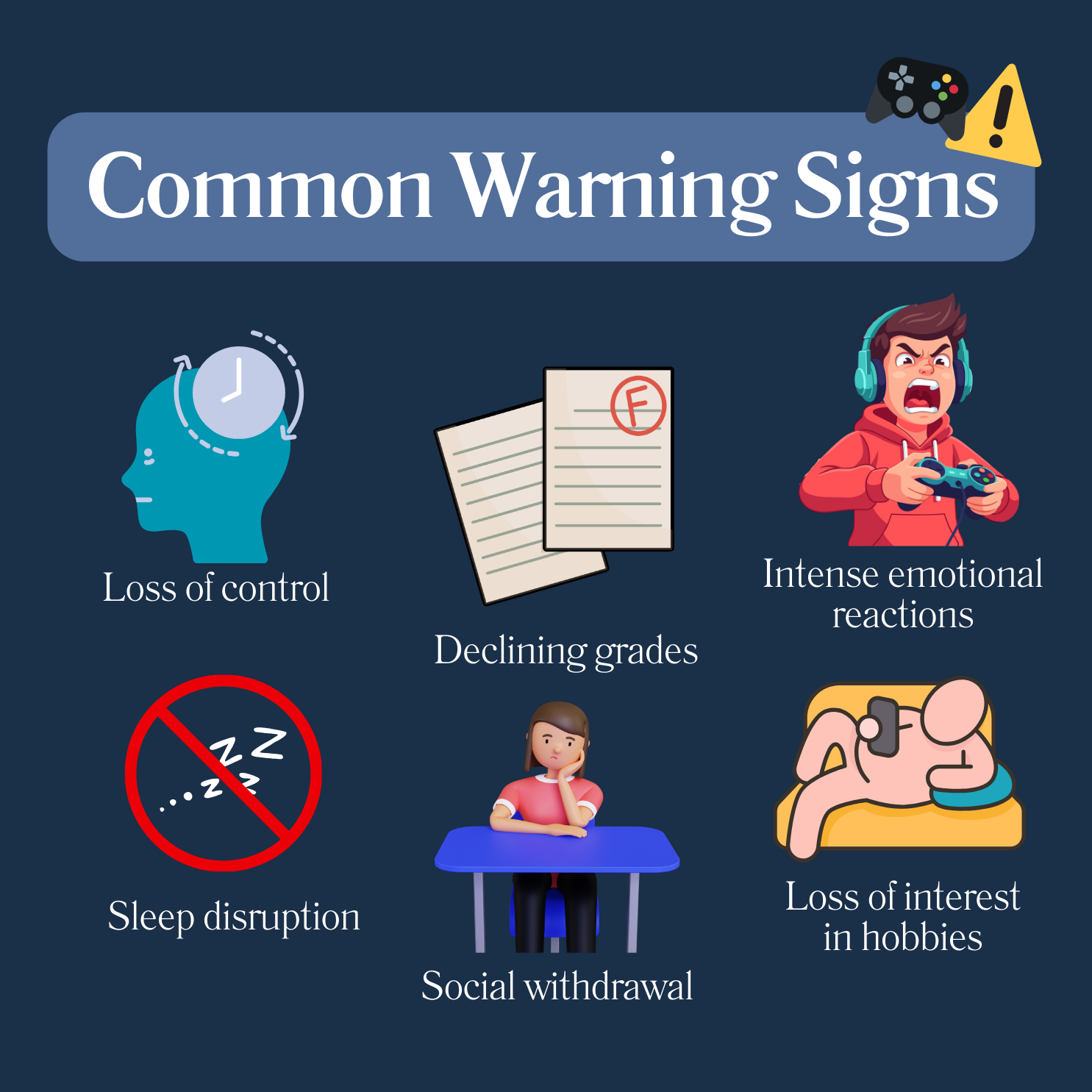
Common warning signs cited in these cases include:
- Loss of control over gaming time.
- Intense emotional reactions when gaming is limited.
- Declining grades or school-related problems.
- Sleep disruption, fatigue, or hygiene issues.
- Social withdrawal or isolation.
- Loss of interest in hobbies or activities outside gaming.
In many cases, parents allege they were unable to meaningfully limit gameplay despite setting rules or using parental controls.
Lawsuits argue that these design features are particularly harmful to children, who may lack the developmental ability to regulate impulse control and screen time.
Online Grooming and Child Safety Failures
Separate lawsuits focus on child safety concerns, particularly on platforms that allow open communication between users. These claims allege that inadequate safety measures make it easier for predators to identify, contact, and groom children through in-game chat and messaging features.
According to allegations in these cases, predators often pose as peers, build trust over time, and then move conversations off the platform to less-regulated spaces. Families claim that existing moderation tools, age verification processes, and reporting systems are insufficient to protect young users.
These lawsuits seek accountability for platforms that market themselves as child-friendly while allegedly failing to implement effective safeguards.
A Growing Area of Litigation
Video gaming litigation is still developing, but momentum is building. Families nationwide are bringing claims, and courts are increasingly being asked to examine how gaming platforms are designed, marketed, and monitored.
Together, the addiction and grooming cases reflect broader questions about corporate responsibility, child safety, and consumer protection in the digital age.
What Families Can Do
Every situation is different. Families who believe their child has suffered harm related to excessive gaming or unsafe online interactions may want to explore their legal options.
If you have concerns about how gaming has impacted your child or family, contact our firm to learn more about whether legal action may be available.