
The American Psychological Association reports that divorce ranks among life's most stressful experiences, second only to the death of a spouse.
For families navigating these waters, quality legal representation can mean the difference between prolonged conflict and a foundation for moving forward.
Known as the "Peach Capital of Alabama," Chilton County produces more than two-thirds of the state's commercial peach crop.
But beyond its agricultural heritage, this central Alabama community of approximately 45,500 residents, according to U.S. Census data, represents families building lives along the I-65 corridor between Birmingham and Montgomery.
With a median household income of $61,873 and deep roots in farming and manufacturing, Chilton County families understand hard work and commitment. When relationships face challenges, these same families deserve legal representation that matches their dedication.
Our experienced family law attorneys here at Baxley Maniscalco serve Chilton County residents throughout Clanton, Jemison, Thorsby, Maplesville, and surrounding communities.
We handle cases at the Chilton County Courthouse and give every family we represent focused attention.
Meet our Family Law Attorneys

Alyssa Enzor Baxley, experienced trial attorney and active community member.

Syndey Merrin focuses her practice on family law matters.

Adam Maniscalco, experienced trial attorney and Deputy Attorney General.
Family Law Services Available in Chilton County, AL
Legal matters involving family relationships require both technical skill and human understanding.
The outcomes of these proceedings shape financial futures, parent-child relationships, and daily routines for years ahead. Chilton County residents seek our guidance in the following areas.
#1: Divorce and Marital Dissolution
Alabama provides multiple avenues for ending marriages. Spouses reaching agreement on property, support, and children may pursue uncontested divorce, typically completing the process faster and at lower cost.
When agreement remains elusive, contested proceedings become necessary.
The state recognizes both fault-based and no-fault divorce grounds. No-fault dissolution based on incompatibility has become the standard approach for most couples, eliminating contentious disputes over blame.
Parties wishing to avoid adversarial litigation should consider collaborative divorce. This process keeps both spouses working toward resolution with their attorneys' guidance, outside traditional court proceedings.
Chilton County divorce cases commonly address:
- Marital property division applying equitable distribution principles, where courts allocate assets based on fairness considering each spouse's contributions and circumstances.
- Spousal support awards weighing factors including marriage duration, earning disparities, age, health, and the lifestyle established during the marriage.
- Debt assignment determining which spouse bears responsibility for mortgages, auto loans, credit cards, and other obligations.
- Retirement asset division using qualified domestic relations orders to properly split pensions, 401(k) plans, and similar accounts.
Chilton County sits within Alabama's Nineteenth Judicial Circuit, sharing jurisdiction with Autauga and Elmore Counties.
Family cases proceed through the Chilton County Courthouse at 500 Second Avenue North in Clanton.
#2: Child Custody Arrangements
Alabama courts place children's interests at the center of every custody decision. Judges start with a preference for arrangements maintaining both parents' active involvement, assuming both demonstrate fitness and cooperative ability.
Courts analyze numerous factors when designing custody orders. These include each parent's living situation, employment demands, bond with the child, and ability to meet the child's developmental needs.
Chilton County custody matters typically involve:
- Legal custody determining which parent controls major decisions about education, healthcare, religious training, and activities.
- Physical custody establishing where children live primarily and the framework for daily care.
- Parenting schedules detailing regular visitation, holiday arrangements, summer breaks, and special occasions.
- Extended family access including grandparent visitation that Alabama courts may order under qualifying circumstances.
Judges also evaluate each parent's willingness to support the child's relationship with the other parent. Parents who attempt to interfere with that relationship damage their own custody positions.
When parents live in different parts of Chilton County or in neighboring counties, courts craft parenting schedules that account for geographic realities.
Transportation arrangements, school locations, and work schedules all factor into workable custody plans.
#3: Child Support Matters
Alabama calculates support using the income shares approach, which estimates what parents would have spent on children had the family remained intact. Both parents' incomes feed into the formula, alongside childcare expenses and health insurance costs.
The resulting figure serves as a presumptive amount. Courts may adjust support when children have special needs or when strict application produces unfair results.
Support issues in Chilton County family law cases include establishing initial orders, modifying amounts following significant changes, and enforcing payment when obligations go unmet.
The Chilton County Department of Human Resources assists with enforcement efforts.
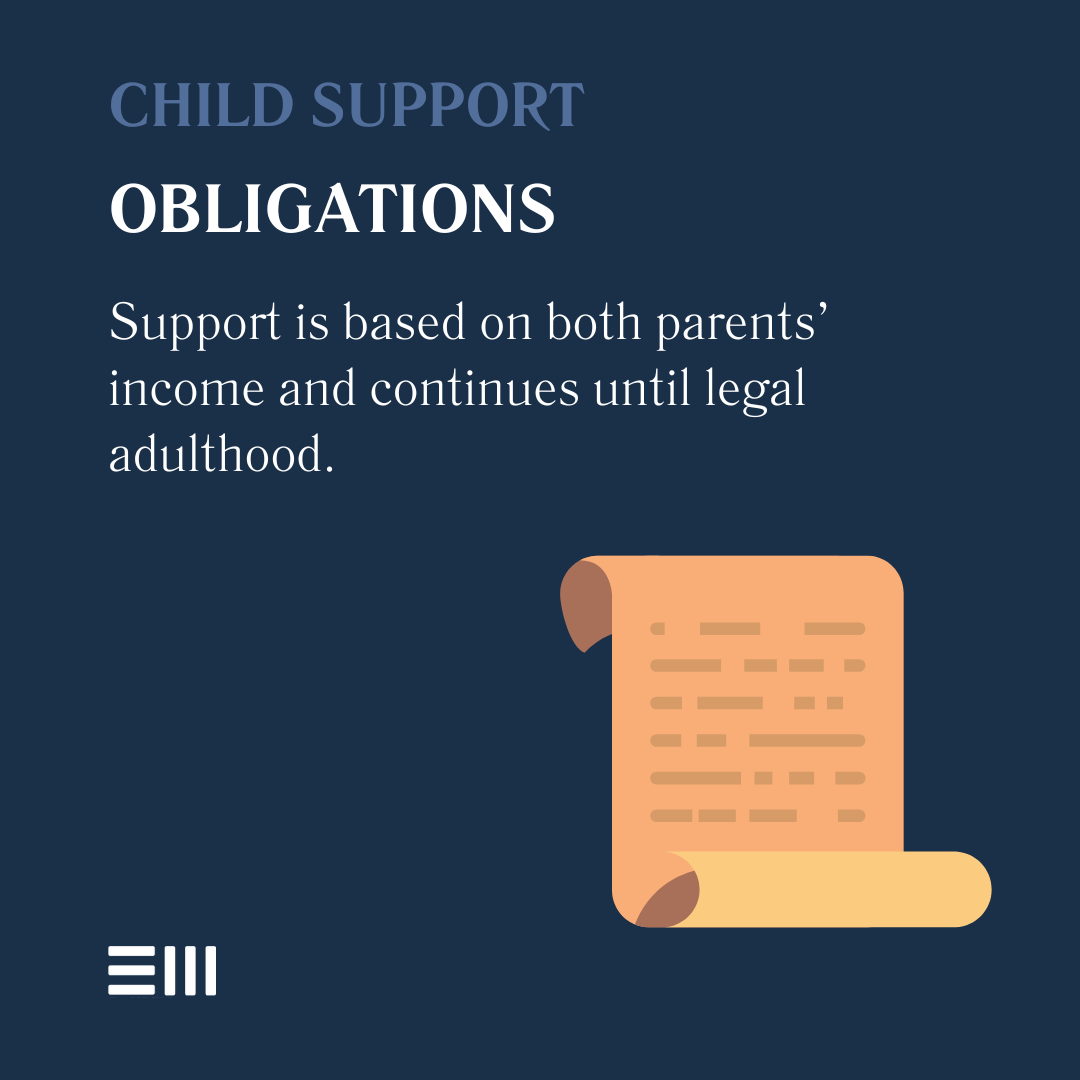
Parents should understand that support obligations continue until children reach age 19 or become emancipated.
Failure to pay court-ordered support can result in serious consequences, including wage garnishment, tax refund interception, and even jail time for willful non-payment.
#4: Modification of Court Orders
Orders entered during divorce or custody proceedings reflect circumstances existing at that time. When those circumstances change meaningfully, modification may become appropriate.
Common modification triggers include substantial income shifts, relocation by either parent, evolving needs of children, and significant changes in work schedules affecting parenting time.
Alabama requires proof of material change before altering existing orders. This standard prevents endless relitigation while accommodating genuine life developments.
Courts examine whether the proposed modification serves children's best interests before approving changes. Simply wanting a different outcome does not justify modification without demonstrating changed circumstances.
#5: Paternity Actions
Unmarried fathers must establish legal parentage before asserting custody or visitation rights. Alabama law distinguishes biological fatherhood from legal parent status.
Paternity proceedings confirm the parent-child relationship through voluntary acknowledgment or genetic testing. Once established, fathers gain standing to seek custody, parenting time, and involvement in major decisions.
These cases also create support obligations. Both parents bear legal responsibility for children's financial support regardless of marital status.
Mothers may also initiate paternity actions to establish the father's identity and obtain child support. Courts have authority to order genetic testing when paternity is disputed.
#6: Grandparents' Rights
Grandparents provide stability, wisdom, and continuity for many Chilton County families. Alabama law offers avenues for grandparents to seek visitation under appropriate circumstances.
Qualifying situations include parental divorce, death of a parent, or other conditions where grandparent involvement serves children's welfare. Courts balance these requests against parents' fundamental rights regarding their children.
Information on filing for grandparents' rights in Alabama covers procedural requirements. When warranted, grandparents may also pursue the adoption of grandchildren.
Learn more about grandparents' rights under Alabama family law.
Understanding the Chilton County Court Process
Navigating court procedures adds stress to already difficult family situations. Understanding what to expect helps clients prepare mentally and practically for their cases.
Family law matters in Chilton County begin with filing a petition or complaint at the Circuit Clerk's office. The filing party must then ensure proper service on the other party, giving them notice of the proceedings and opportunity to respond.
After initial filings, cases may proceed through discovery, where both sides exchange relevant information and documents. Temporary hearings may address urgent matters like support or custody arrangements while the case progresses.
Many cases settle through negotiation before trial. When settlement proves impossible, judges conduct hearings and issue rulings based on evidence and Alabama law. The Circuit Clerk's office operates Monday through Friday from 8:00 a.m. to 5:00 p.m., with a lunch closure from noon to 1:00 p.m.
Frequently Asked Questions about Chilton County, AL Family Law
Approaching family court proceedings becomes easier when you understand what lies ahead.
Below, we address questions Chilton County residents frequently raise about family legal matters.
What Divorce Grounds Does Alabama Recognize?
Alabama permits no-fault divorce based on incompatibility or irretrievable breakdown. Fault-based grounds include adultery, abandonment, habitual intoxication, imprisonment, and domestic violence.
Most Chilton County couples proceed on no-fault grounds, avoiding disputes about marital misconduct. Proven fault may still influence property division or support outcomes in appropriate cases.
How Do Chilton County Courts Determine Custody?
Judges apply the best interests standard, examining each parent's home environment, relationship with children, physical and mental health, and caregiving capacity. Courts also consider children's adjustment to school, home, and community.
Older children's preferences receive consideration when they demonstrate sufficient maturity for reasoned opinions. Courts remain alert to preferences that appear influenced by one parent.
Do Fathers Have Equal Rights in Custody Cases?
Yes. Alabama eliminated maternal preference long ago. Today courts evaluate both parents equally based on their individual capabilities and relationships with their children.
Fathers who document consistent involvement in their children's lives regularly obtain custody or substantial parenting time. Evidence of that involvement strengthens any father's position.
How Is Child Support Determined in Alabama?
The income shares formula combines both parents' gross incomes and allocates responsibility proportionally. Adjustments address childcare costs, health insurance, and other relevant expenses.
Courts may deviate from calculated amounts when children have extraordinary needs or other factors warrant. Chilton County family law attorneys ensure calculations accurately reflect each family's circumstances.
What Distinguishes Legal Custody from Physical Custody?
Legal custody involves authority over major decisions including education, medical treatment, and religious upbringing. Physical custody addresses where children live and who provides daily care.
Courts may award either type jointly or solely. Many Chilton County arrangements feature joint legal custody with primary physical custody to one parent, maintaining both parents' involvement in important decisions.
Can I Change an Existing Court Order?
Yes, when material circumstances have changed since the original order. Examples include job loss, significant income changes, relocation, or shifts in children's needs.
The party requesting modification bears the burden of proving changed circumstances and demonstrating that modification serves children's interests. Petitions return to the court that issued the original order.
How Long Does Divorce Take in Chilton County?
Uncontested cases where spouses agree on all terms often conclude within 30 to 60 days. Alabama requires minimum waiting periods, but cooperative divorces proceed efficiently through the system.
Contested matters take considerably longer. Complex property disputes, custody battles, and court scheduling may extend proceedings to a year or more.
Which Circuit Handles Chilton County Cases?
Chilton County belongs to Alabama's Nineteenth Judicial Circuit, which also includes Autauga and Elmore Counties. Family matters proceed through the Chilton County Courthouse in Clanton.
The courthouse handles divorce, custody, support, and other family law matters. Your attorney can advise on local procedures and what to expect from Chilton County courts.
What Happens If My Spouse Refuses to Cooperate?
When one spouse refuses to participate in divorce proceedings, the case can still move forward. Alabama law permits service by publication when a spouse cannot be located, and courts may enter default judgments against non-responsive parties.
An uncooperative spouse may delay proceedings but cannot prevent divorce indefinitely. Your attorney can advise on strategies for moving your case forward despite resistance.
How Should I Prepare for My Attorney Consultation?
Gather financial documents including tax returns, pay stubs, bank statements, and retirement account information. Collect any existing court orders or agreements relating to your matter.
For custody issues, compile evidence of your parenting involvement. School records, medical appointments, activity participation, and similar documentation support your case.
Organized preparation allows your attorney to assess your situation quickly and develop strategies aligned with your goals.
Begin Protecting Your Family's Interests
Family law matters carry lasting consequences. Decisions made during these proceedings affect finances, relationships with children, and daily life long after court involvement ends.
Our experienced family law attorneys here at Baxley Maniscalco have guided Chilton County families through divorce, custody, and support matters with the dedicated attention these sensitive cases deserve. We understand local court procedures and apply that knowledge to advance your interests.
Our team takes time to understand what matters most to you. We explain options in plain language, establish realistic expectations, and build strategies designed to achieve your objectives.
Honest counsel about strengths and challenges in your case allows you to make informed decisions. From initial consultation through resolution, we advocate vigorously while maintaining the professionalism your matter requires.
Contact Baxley Maniscalco today to schedule your confidential consultation. Let our Chilton County family law experience work for your family.