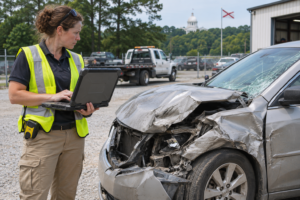
You weren’t driving. You didn’t cause the wreck. So getting your medical bills covered should be straightforward, right?
If the driver was a friend giving you a ride, Alabama law can make the answer surprisingly complicated.
It’s called the guest statute. In certain situations, it prevents an injured passenger from recovering from the host driver for ordinary negligence, even when that driver caused the crash.
We help people sort through these questions in Alabama car accident claims and other personal injury cases. Being a passenger doesn’t end the analysis. It’s where the analysis starts.
Hurt while riding with someone you know? Contact us for a free personal injury consultation or call (256) 770-7232.
The Rule Most Passengers Have Never Heard Of
Alabama Code § 32-1-2 limits claims by a guest transported without payment. When it applies, recovery against the vehicle’s operator, owner, or person responsible for its operation requires willful or wanton misconduct.
That’s a different hurdle from proving an everyday driving mistake. A careless turn can cause a serious injury without automatically satisfying that higher standard.
But don’t let the word “guest” settle the issue. The legal question isn’t simply whether you knew the driver or whether you were sitting in the passenger seat.
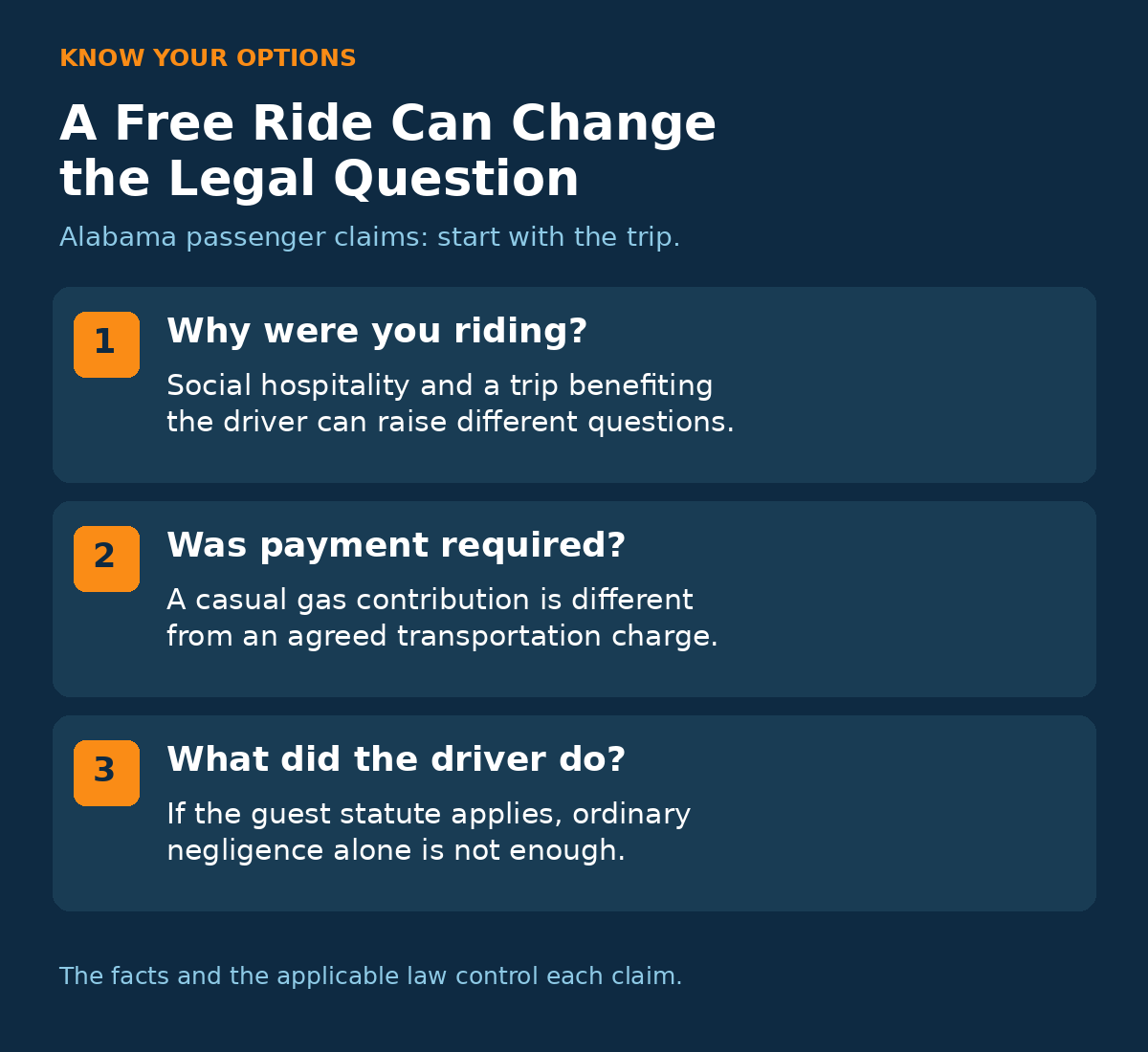
We need to know why the trip happened, who benefited, whether payment was part of the arrangement, and what the driver actually did.
An insurer’s statement that “you were riding with a friend” leaves most of those questions unanswered.
You Can Be a Friend Without Being a Legal “Guest”
Suppose you’re catching a ride to dinner because your friend is already headed that way. Compare that with riding along because the driver asked you to help complete a business delivery.
Those examples raise different questions about the purpose of the transportation. They aren’t automatic answers, but they show why the trip’s details matter.
In Cash v. Caldwell, the Alabama Supreme Court explained that a trip providing a material benefit or service to the driver can fall outside ordinary hospitality.
The court reversed a summary judgment because the evidence presented a factual question about the passengers’ status. A family relationship didn’t resolve that question by itself.
So we look beyond labels like “friend,” “relative,” or “coworker.” An invitation, work message, or conversation about the trip may explain an arrangement the crash report never mentions.
Don’t rewrite that history after the wreck. Preserve the messages and describe what actually happened, including details that seem unhelpful.
Does Chipping In for Gas Change Anything?
Sometimes. Handing over gas money isn’t a magic exception, and the amount alone doesn’t decide the issue.
In Sellers v. Sexton, the court distinguished casual expense sharing on a social trip from transportation conditioned on payment or bearing features of a business arrangement.
A regular arrangement can matter. So can an agreement that the ride will happen only if the passenger contributes to expenses.
The court’s decision doesn’t mean every recurring carpool is automatically outside the statute. It means the arrangement needs a closer look than “you paid for gas, so you’re covered.”
For example, a transfer labeled “Friday ride” may be useful evidence. It still needs context: Was payment agreed beforehand? Was it required? What had the parties done on earlier trips?
Save the payment record and the surrounding conversation. A screenshot of the dollar amount alone may leave out the most useful part.
“They Were Driving Recklessly” Needs Specific Facts
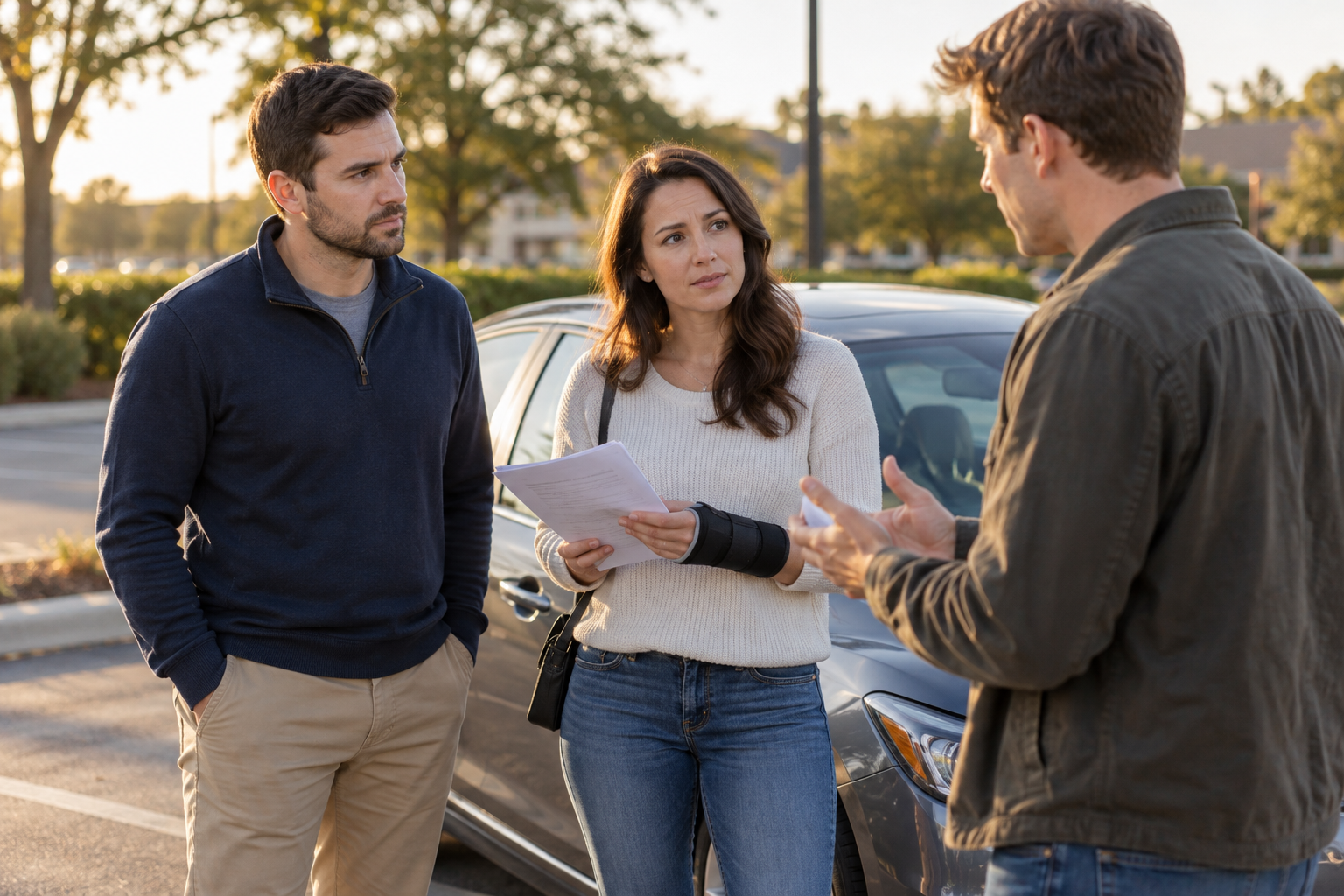
People understandably use “reckless” to describe almost any frightening crash. In a guest-statute case, the legal distinction needs more precision.
Tolbert v. Tolbert explains that wantonness involves conscious culpability, rather than mere inadvertence. It isn’t simply negligence with a more serious injury attached.
Evidence about speed, visibility, warnings, impairment, or a driver’s knowledge of a danger may matter. No single label or accusation proves the required state of mind.
Tell us what you saw and heard. “I asked them twice to slow down before the curve” gives us something to investigate. “They were obviously reckless” gives us a conclusion without its foundation.
If you don’t remember something, say so. Medical trauma and a sudden crash can leave gaps. Guessing to fill those gaps can create problems later.
We can evaluate the available evidence without asking you to exaggerate your friend’s conduct or make assumptions about what they were thinking.
What If Another Driver Also Caused the Crash?
The guest statute concerns the relationship between the guest and the host vehicle’s responsible parties. It doesn’t automatically erase a claim against a different driver who caused or contributed to the collision.
That makes a full crash investigation important. Don’t assume the only possible claim is against the person who gave you the ride.
In a multi-vehicle collision, we examine the sequence: Who entered the intersection? Who changed lanes? What did witnesses see? What does the physical evidence show?
An initial apology from your friend isn’t a complete liability investigation. Neither is an adjuster’s first account of events.
Our review may involve several drivers and policies. Each potential claim still needs its own legal and factual basis; the number of vehicles doesn’t guarantee additional compensation.
Your Own Insurance Isn’t an Automatic Workaround
It seems reasonable to think, “If I can’t recover from the driver, I’ll use my uninsured-motorist coverage.” Alabama law requires a more careful answer.
In Ex parte Carlton, the Alabama Supreme Court emphasized the requirement that an insured be legally entitled to recover from the motorist.
The decision overruled earlier cases, including a guest-statute case, that had allowed certain liability defenses to be sidestepped through uninsured-motorist coverage.
Don’t rely on an old article suggesting that guest status automatically unlocks your own UM benefits. We need to review both the underlying claim and the actual insurance language.
Other benefits, such as applicable medical-payments coverage, deserve a separate review under their own terms. Having insurance and having a payable claim aren’t the same question.
If someone offers a settlement, pause before signing a release. Our guide to protecting an Alabama UIM claim before settlement explains why that paperwork can affect other coverage.
What to Bring Us Before the Story Gets Reduced to One Sentence
You don’t need a perfect case file to ask for help. Bring what you have, and tell us what may still exist elsewhere.
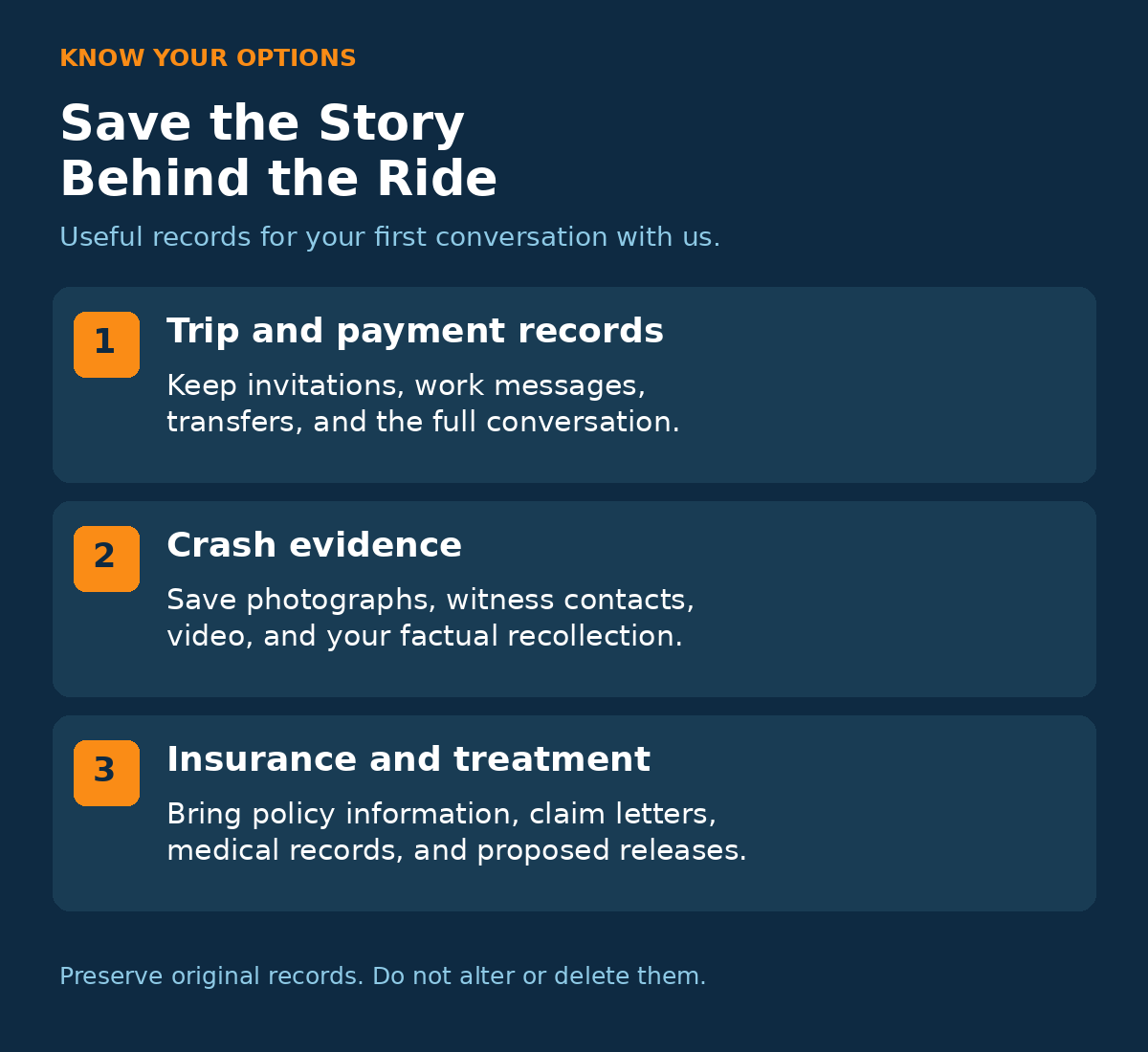
- The trip’s purpose: Messages about where you were going, who requested the ride, and any work or service you were providing.
- The payment arrangement: Transfers, receipts, carpool agreements, and conversations about whether a contribution was required.
- The driving evidence: Witness contacts, photographs, available video, and your recollection of warnings or events before the crash.
- The claim paperwork: Insurance information, adjuster letters, medical bills, and any proposed release or recorded-statement request.
Keep original files when possible. Don’t delete awkward messages or ask someone to “clean up” their account. We need the real facts to assess the real options.
Frequently Asked Questions
Can I sue a friend after a car accident in Alabama?
Potentially, but the guest statute can change what you must prove. The ride’s purpose, payment arrangement, driving conduct, and available evidence all need review before we can assess a claim.
Does being related to the driver automatically prevent a claim?
No. A family relationship alone doesn’t answer whether the statute applies. We still examine the transportation arrangement and any benefit or service connected with the trip.
Is a gas-money payment enough to prove I wasn’t a guest?
Not necessarily. A casual contribution on a social outing can be treated differently from an agreed payment required for transportation. Save the messages explaining the payment, not just the receipt.
Does a traffic ticket prove wantonness?
Not by itself. A ticket doesn’t automatically establish the conscious conduct required for wantonness. We evaluate what happened and what admissible evidence supports the claim.
Should I give the insurer a recorded statement right away?
Identify whose insurer is asking and what obligations apply under any policy. Get advice before giving a detailed statement, especially if you don’t understand the questions about the ride’s purpose.
Can we keep the claim friendly and still protect my rights?
You can be truthful and respectful while seeking legal advice. We can explain the claims process and possible effects on the driver, but we can’t promise a claim will avoid conflict or litigation.
Let’s Look at the Ride Before You Write Off the Claim
You shouldn’t have to diagnose the guest statute from an adjuster’s phone call while you’re also dealing with treatment and missed work.
We can review the trip, the crash, and the insurance together. If there’s an obstacle, we’ll explain it. If there are avenues worth investigating, we’ll explain those, too.
Start with a conversation. Contact us for a free personal injury consultation or call (256) 770-7232.
Can't find what you're looking for? Search our site below.